
English 


Views: 0 Author: Site Editor Publish Time: 2026-05-21 Origin: Site


Engineers and hobbyists constantly seek lightweight, cost-effective alternative materials for aerospace prototyping, UAV development, and aircraft modification. Traditional composites often demand massive budgets and incredibly slow curing times. This bottleneck drives intense interest toward highly versatile plastics. People frequently wonder if they can actually build a working aircraft using these flexible sheets. We must draw a strict line between internal structural integrity and external aerodynamic covering. You cannot build a load-bearing airframe out of thin plastics. They simply lack the tensile strength required for harsh flight stresses. However, they serve excellent roles as protective outer skins and visual modifications. This guide provides a definitive, engineering-focused evaluation of pvc film in modern aviation. We clearly separate DIY remote-controlled hobbyist applications from strict B2B commercial aerospace compliance realities. You will learn exactly where these materials excel in rapid prototyping. You will also discover where strict safety regulations legally forbid them.
You must understand the difference between structural materials and covering materials. Making a plane requires load-bearing internal elements. We rely on wing ribs, main spars, and fuselage bulkheads to handle mechanical stress. Conversely, aerodynamic skins simply wrap this skeleton to guide airflow. A high-quality pvc film functions exclusively as an aerodynamic covering. It carries zero structural weight. Relying on it for structural strength guarantees catastrophic flight failure.
Remote-controlled builders and drone developers utilize these plastics brilliantly. Hobbyists stretch heat-shrink plastics over skeletons made of balsa wood, carbon fiber, or lightweight foam. Applying heat tightens the material. This creates a remarkably smooth surface. It reduces aerodynamic drag effectively. Commercial drone manufacturers use this exact method for rapid prototyping. It allows engineers to test different wing shapes quickly without committing to expensive carbon fiber molds.
You cannot build a full-size passenger aircraft out of plastic wrap. This is a persistent internet myth. Commercial aviation does use polyvinyl materials, but in an entirely different context. Airlines apply specialized aviation-grade vinyl wraps directly over solid aluminum or composite hulls. They use them strictly for exterior branding and paint protection.
Note: Always distinguish between standard industrial plastics and aviation-grade polymeric vinyl. Professional procurement teams must source highly specialized materials for professional UAVs or commercial aircraft fleets. Standard decorative wraps fail rapidly under aviation stressors.
Engineers must carefully analyze weight and tension metrics. Standard polyvinyl is heavier than ultra-lightweight modeling alternatives. However, it features excellent heat-shrinking properties. Builders run a specialized heat gun over the applied sheet. The material contracts uniformly across the wing ribs. This produces a drum-tight, aerodynamic finish. The tension prevents fluttering during high-speed maneuvers.
We must evaluate the cost-to-value ratio for drone manufacturing. Prototyping demands speed. Curing custom fiberglass parts takes days. Machining precision carbon fiber requires massive financial investment. Conversely, wrapping a 3D-printed drone skeleton in a specialized pvc film takes mere hours. It drastically slashes iteration costs. You can test a wing, strip the skin, modify the internal rib, and re-wrap it in a single afternoon.
Thermal and mechanical durability present complex challenges. Premium plastics offer decent tear resistance. They tolerate minor impacts well. If a drone kicks up runway gravel, the skin usually survives. Yet, intense temperature fluctuations alter material tension heavily. Prolonged sun exposure causes the material to sag. Extreme cold makes it rigid and brittle.
Tip: B2B drone manufacturers should calculate the labor hours saved during iterative testing. Teams can apply and remove flexible skins much faster than they can prep and cure hard composite shells.
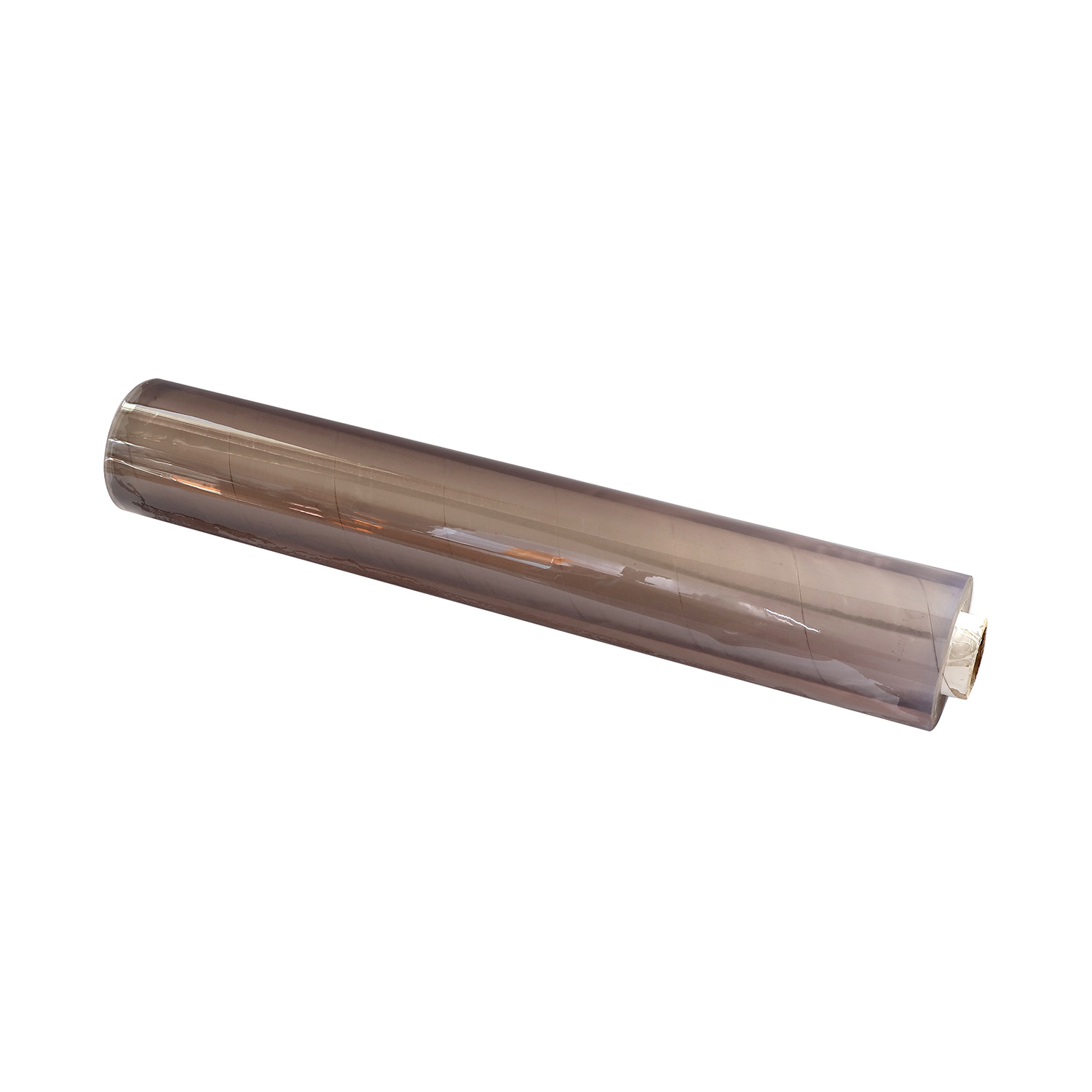
Premium pvc film rolls used for rapid prototyping, surface protection, and aerodynamic UAV coverings.
Commercial airlines and corporate fleets utilize specialized vinyl heavily. They apply PVC-based layers over the fuselage for custom branding. Temporary livery changes rely entirely on these wraps. A sports team chartering a jet can display their logo temporarily. Ground crews then remove the wrap seamlessly. Additionally, transparent variants provide excellent localized surface protection against minor abrasions.
Aviation safety demands flawless compliance. The FAA and EASA heavily regulate external modifications. Mechanics must ensure applied wraps never block critical aircraft sensors. They cannot obscure static ports or pitot tubes. Wraps must not bridge gaps between moving control surfaces. Even a millimeter of interference on an aileron balance can trigger severe flight control issues.
Adding thick layers of vinyl impacts gross weight. A full fuselage wrap adds hundreds of pounds to a commercial jet. Heavier planes require higher thrust. They burn noticeably more fuel. Fleet managers carefully calculate this weight penalty. They compare it against the operational fuel costs and the marketing revenue generated by the livery.
Note: Commercial aircraft wraps must meet rigorous flammability requirements. Regulators mandate tests like FAR 25.853. You cannot substitute certified aviation vinyl with standard commercial-grade plastics. Standard sheets melt or ignite too quickly during emergency ground scenarios.
Choosing the correct covering requires careful technical comparison. Procurement teams must weigh tensile strength, UV resistance, and overall mass.
Let us compare standard polyvinyl against Mylar (polyester film). Mylar possesses significantly higher tensile strength. It boasts superior UV resistance. Most importantly, Mylar weighs considerably less. Engineers frame Mylar as the superior choice for ultra-lightweight competitive models. However, it often costs significantly more and requires specialized adhesive application.
Next, compare standard plastics against specialty modeling films like Oracover or Monokote. Proprietary modeling films feature high-quality, heat-activated adhesive backings. They offer highly predictable shrinkage ratios. Standard industrial plastics might shrink unevenly. If you use uncalibrated industrial sheets, you risk warping the delicate wooden skeleton beneath it.
Finally, compare full-scale vinyl wraps against traditional aviation paint. Wrapping an aircraft requires far less ground time. A traditional custom paint job grounds a jet for weeks. A specialized crew can wrap that same jet in just days. However, paint lasts over a decade. Vinyl wraps typically require replacement every three to five years depending on UV exposure.
| Material Type | Primary Use Case | Weight Profile | Application Speed |
|---|---|---|---|
| Standard PVC Film | UAV Prototyping, RC Models | Moderate to Heavy | Very Fast |
| Mylar (Polyester) | Ultra-Lightweight Gliders | Extremely Light | Moderate |
| Aviation Vinyl Wrap | Commercial Livery, Branding | Heavy (on scale) | Fast |
| Aviation Paint | Permanent Aircraft Coating | Light to Moderate | Very Slow |
Procurement teams should adopt strict shortlisting logic. Use standard heat-shrink plastics for early-phase drone prototypes. Shift to ultra-lightweight polyesters for final flight testing. Reserve certified aviation vinyl exclusively for full-scale commercial aesthetic wraps.
Deploying flexible plastics in aviation environments carries inherent engineering risks. You must implement strict mitigation strategies.
Environmental degradation ruins poorly chosen materials. Ultraviolet radiation severely damages untreated plastics. Constant UV exposure causes standard sheets to become highly brittle. They discolor quickly. More dangerously, they lose their structural tension. A loose skin creates massive aerodynamic drag. It can induce aerodynamic flutter, destroying a drone mid-flight.
Thermal instability threatens mission safety. High-heat environments trigger extreme material relaxation. Flying a drone in intense desert heat risks dangerous skin sagging. Conversely, sub-zero temperatures at high altitudes freeze the material. It becomes completely inflexible. A hard landing in freezing weather shatters the covering like glass.
Static electricity accumulation poses a massive, often ignored hazard. Plastic surfaces naturally build up static charges during high-speed flight. This static interferes directly with sensitive electronic flight controllers in UAVs. In larger aircraft, uncontrolled static discharge near fuel systems creates catastrophic explosion risks.
Follow these implementation constraints to minimize operational risks:
Tip: When evaluating pvc film for commercial UAV fleets, request accelerated weather testing data directly from the supplier. This data allows you to forecast maintenance and replacement cycles highly accurately.
You cannot structurally build an actual airplane out of thin plastic sheets. They fundamentally lack the rigid, load-bearing strength necessary to survive atmospheric flight stresses. However, these versatile materials serve highly specific, irreplaceable roles in modern aviation. They act as exceptional, fast-application coverings for experimental drone prototypes. They also dominate the commercial sector as visually striking, temporary livery wraps for massive corporate fleets.
We recommend the following next-step actions for aerospace buyers and engineers:
A: Yes, if you apply it correctly. You must use a calibrated heat gun to ensure even material shrinkage. However, you must manage the total weight carefully. Standard polyvinyl tends to be heavier than specialty model films. Builders must ensure the extra weight does not compromise the aircraft's critical thrust-to-weight ratio.
A: Technically, you could wrap a non-pressurized, low-speed fabric-style plane. However, the aviation community highly discourages this. Specialized Dacron or certified aviation fabrics perform vastly better. They offer superior UV resistance and reliable structural tautness. Genuine aviation fabrics also fully comply with legal experimental aircraft safety regulations.
A: Yes, it certainly can. The specific gravity of polyvinyl chloride exceeds that of basic polyester films. This higher density makes it heavier. If you wrap a massive surface area, the added weight significantly reduces aerodynamic performance. Engineers must carefully calculate application limits to avoid performance loss.
A: Plastics endure a continuous expansion and contraction cycle under thermal stress. Intense high temperatures cause the material to warp, sag, or lose necessary aerodynamic tautness. Conversely, sub-zero temperatures at high altitudes render the plastic brittle. This rapidly increases the risk of the skin tearing under high wind loads.