
English 


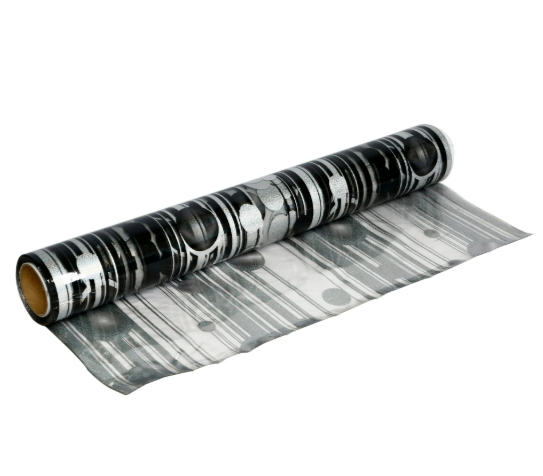
PVC sheets are one of the most versatile materials used in a variety of industries, from construction to signage to home décor. But one question that often arises is whether PVC sheets can be bent to suit specific needs. The answer largely depends on the type of PVC sheet, the method used, and the application at hand. In this article, we’ll explore the bending capabilities of PVC sheets, how to bend them, and the practical applications where bending is required.
Polyvinyl Chloride (PVC) is a widely used synthetic polymer that is durable, cost-effective, and resistant to moisture, chemicals, and wear. It is made from polymerized vinyl chloride, making it strong yet flexible, depending on the formulation. PVC is available in many forms, including rigid and flexible variants, which affect its properties and potential for bending.
PVC sheets are commonly used in a wide range of applications such as protective barriers, signage, and furniture. Understanding how PVC behaves when bent and the techniques required to bend it properly is crucial for achieving the best results in your projects.
There are two main types of PVC sheets: flexible and rigid. Both types have different bending properties, which makes them suitable for specific uses.
Flexible PVC Sheets: These sheets are designed to bend easily without the need for additional heating. They are often used in applications like protective curtains, mats, and covers where flexibility is essential. Flexible PVC sheets can be manually bent into shapes and are much easier to work with compared to rigid PVC sheets.
Rigid PVC Sheets: Rigid PVC sheets, as the name suggests, are hard and have a more solid structure. They are commonly used for construction, signage, and protective covers, and are much harder to bend. However, with the right techniques, rigid PVC sheets can be bent for various uses, such as creating curved edges for signage or custom shapes for structural components.
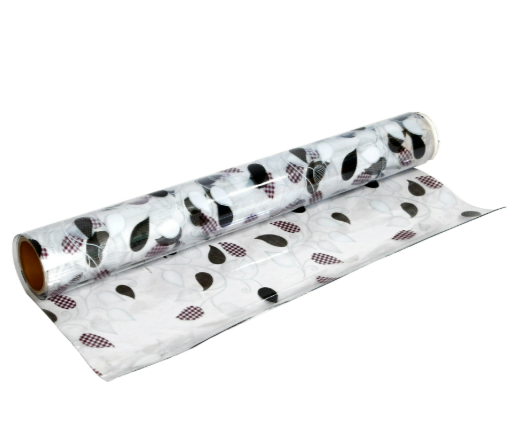
The short answer is yes — flexible PVC sheets can easily be bent without requiring heat or special tools. These sheets are designed to be malleable, making them ideal for projects where flexibility and easy manipulation are necessary.
You can bend flexible PVC sheets by hand, or use tools like a roller or manual bending machine to achieve more precise curves. Common uses of flexible PVC sheets that involve bending include:
Protective curtains for industrial or commercial use.
Flooring mats and anti-slip surfaces.
Signage and displays that need curved or flexible materials.
The flexibility of these sheets allows for smooth and uniform bends, making them easy to work with in various applications.
Rigid PVC sheets, while stronger and more stable, are not as easily bent as their flexible counterparts. However, that doesn’t mean they can’t be bent. With the proper techniques, rigid PVC sheets can be manipulated into curves or angles for specific projects.
The process for bending rigid PVC is more involved than bending flexible PVC and usually requires heating. Without heating, trying to bend rigid PVC can cause cracking or breaking, especially with thicker sheets.
There are several factors that determine how well a PVC sheet can be bent, whether it’s flexible or rigid. These factors include:
The thickness of the PVC sheet plays a significant role in its bending ability. Thicker sheets are more difficult to bend and may require more heat or force, while thinner sheets can bend more easily. For example, a 1mm thick flexible PVC sheet can be bent manually, while a 3mm thick rigid PVC sheet will require heat and tools.
Heat is often necessary to soften rigid PVC sheets, making them pliable enough to bend without breaking. Heating methods such as using a heat gun or an oven can make a rigid PVC sheet more malleable. This is particularly important for achieving smooth curves or bending sheets with a thickness that would otherwise be too difficult to manipulate.
As mentioned earlier, flexible PVC sheets bend easily without additional tools or heat. However, rigid PVC requires either manual force or heating before bending, which is why it’s important to choose the right type of PVC sheet for your project based on the bending requirements.
Sometimes, whether a PVC sheet can be bent or not depends on how permanent the bend needs to be. For temporary bends (such as those used in displays), flexible PVC sheets are usually ideal. For permanent bends or structural applications, rigid PVC sheets may need to be bent carefully using heat and the right tools to ensure the bend is both effective and lasting.
Flexible PVC sheets are relatively easy to bend without the need for additional heating or tools. For simple bending, follow these steps:
Manual Bending: You can easily bend flexible PVC sheets by hand or with simple tools. If you need a gentle curve or bend, simply place the sheet on a flat surface and manually curve it. For smoother and more controlled bends, using a PVC roller or jig can help you maintain consistent curves.
Using Tools for Precision: If your project requires more precision or specific angles, you can use a bending machine or a manual PVC bender. These tools help ensure that the bend is uniform and accurate. Flexible PVC is ideal for applications like curtains, mats, and flexible covers where precision isn’t as critical but smooth bending is essential.
Applications for Flexible Bending:
Protective Curtains: Flexible PVC sheets are often used in industries for creating roll-up protective curtains. These can be easily bent to fit specific doorway dimensions.
Floor Mats: Flexible PVC is commonly used for creating anti-slip mats. They can be bent to fit different spaces, ensuring both functionality and comfort.
Signage and Display Materials: Flexible PVC can be bent into shapes for custom signage, giving businesses the ability to showcase products and branding with a unique visual appearance.
Unlike flexible PVC, rigid PVC sheets are more challenging to bend due to their solid structure. However, with the correct techniques, you can bend rigid PVC sheets to suit your needs. The key to bending rigid PVC is heating, which makes the material more pliable.
Heating with a Heat Gun:
Step 1: Place the rigid PVC sheet on a flat, heat-resistant surface.
Step 2: Use a heat gun set to a medium temperature (around 300°F to 350°F). Hold the heat gun a few inches away from the sheet and move it along the area where you want to bend the PVC.
Step 3: As the PVC heats up, it will begin to soften. Be patient and evenly heat the area you want to bend.
Step 4: Once the PVC becomes soft and flexible, carefully bend it by hand or use a bending jig to achieve the desired shape.
Step 5: Let the PVC cool in its new shape. Once cooled, the bend will be permanent.
Heating with an Oven:
Step 1: Preheat the oven to around 350°F (175°C).
Step 2: Place the rigid PVC sheet in the oven for a few minutes (usually 3-5 minutes). You can also use an oven that has temperature controls to ensure even heating.
Step 3: After the PVC becomes pliable, remove it from the oven (wear heat-resistant gloves) and bend it carefully into the desired shape.
Step 4: Once the sheet has cooled, it will hold the shape, creating a permanent bend.
If you need more precision, a PVC bending machine or a manual bending jig can help create accurate bends. These tools are ideal for consistent, uniform bends, especially for applications such as:
Signage: Bending rigid PVC sheets to create curved or angled signage for commercial or industrial use.
Construction: Bending rigid PVC sheets for window frames, piping, or custom parts that require a specific shape.
Furniture: Creating custom furniture pieces that require precise curves or bends.
Once you have bent your PVC sheet, it’s important to allow it to cool and solidify in its new shape. Cooling can be done naturally at room temperature, or you can speed up the process by using cool water or air.
Cooling: Allow the PVC sheet to cool completely in the position you’ve bent it into. If you're working with a large sheet, you can also use a fan or air blower to accelerate the cooling process.
Fixing the Shape: For permanent bends, ensure the PVC is securely held in place while cooling to avoid any deformation. In some cases, especially with larger or thicker sheets, a bending jig or clamp may be needed to hold the PVC in place until it fully cools.
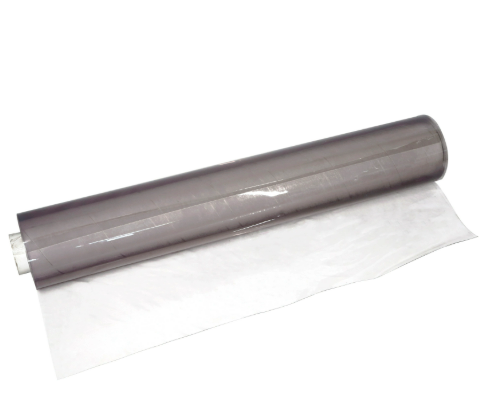
Bending PVC sheets opens up a wide range of possibilities for different industries and applications. Whether you’re working on a construction project, creating custom signage, or designing furniture, bending PVC sheets allows you to create unique solutions that would otherwise be impossible with rigid materials.
In construction and manufacturing, bending PVC sheets is often required for custom window frames, piping, and other structural components. Bending rigid PVC sheets helps to create strong and durable components that are resistant to moisture, chemicals, and wear.
PVC Piping: PVC pipes are commonly bent to fit around corners or create specific shapes for plumbing systems.
Protective Barriers: Bending PVC sheets is also useful for making protective covers and barriers for machinery or workers in industrial environments.
PVC sheets are frequently used for creating signage, especially when custom shapes or curved edges are needed. Bending PVC sheets allows designers to create eye-catching signs, banners, and display panels that stand out and attract attention.
Advertising Displays: Curved PVC sheets are often used for creating modern, sleek displays for retail stores or trade shows.
Directional Signage: Bending PVC sheets into custom shapes allows for the creation of unique, curved directional signs for offices, hospitals, airports, and other commercial spaces.
In furniture and home décor, bending PVC sheets opens up possibilities for creating unique, customized pieces. Flexible and rigid PVC sheets are used to make furniture components such as tables, chairs, and storage solutions, all with a modern, clean look.
Curved Furniture: PVC sheets are often used in furniture designs where curves are necessary for aesthetic or functional purposes.
Wall Panels and Shelving: Bending PVC sheets helps in creating decorative wall panels, shelving units, or other home décor elements.
PVC sheets are widely used in industrial applications for creating barriers, protective covers, and specialized equipment. Bending PVC allows these sheets to be tailored to the exact dimensions and needs of the project, ensuring maximum performance and protection.
At Qingdao Coseal, we specialize in providing high-quality PVC sheets that are perfect for bending and customizing for various industries. Whether you need flexible PVC for easy bending or rigid PVC that can be heated and bent for more specialized applications, we offer a range of products tailored to your needs.
Our PVC sheets are designed for both durability and flexibility, ensuring that they meet the requirements of your project while being easy to maintain and clean. With years of experience and expertise, Qingdao Coseal is your trusted partner for PVC sheets that deliver reliable performance in any application.
PVC sheets can certainly be bent, but the process varies depending on the type of PVC and the intended application. Flexible PVC sheets can be bent with ease for simple, non-permanent curves, while rigid PVC sheets require heat and careful handling to achieve more permanent shapes. By understanding the bending capabilities and methods, you can unlock a world of possibilities for your projects, whether in construction, signage, furniture, or industrial applications.
If you’re looking for high-quality PVC sheets that are easy to bend and customize, look no further than Qingdao Coseal. Contact us today to learn more about our versatile PVC sheets and how they can be adapted to meet the specific needs of your next project.
1. Can flexible PVC sheets be bent without heating?
Yes, flexible PVC sheets can be bent by hand or with simple tools without the need for heating, making them ideal for many applications.
2. How do I bend rigid PVC sheets?
Rigid PVC sheets require heating to make them pliable. You can use a heat gun or an oven to heat the PVC to a suitable temperature before bending.
3. Can I bend PVC sheets for outdoor use?
Yes, both flexible and rigid PVC sheets can be bent for outdoor use. However, it’s essential to consider the thickness and application to ensure the sheet retains its strength and durability after bending.
4. Will bending rigid PVC cause it to crack?
If done correctly (using heat and the right tools), bending rigid PVC sheets should not cause cracking. However, bending without proper preparation can lead to damage, especially in thicker sheets.
5. How do I maintain the shape after bending PVC sheets?
After bending PVC sheets, allow them to cool in place to maintain the new shape. You can use clamps or a bending jig to hold the shape while the PVC cools and sets.