
English 


Views: 0 Author: Site Editor Publish Time: 2026-08-06 Origin: Site


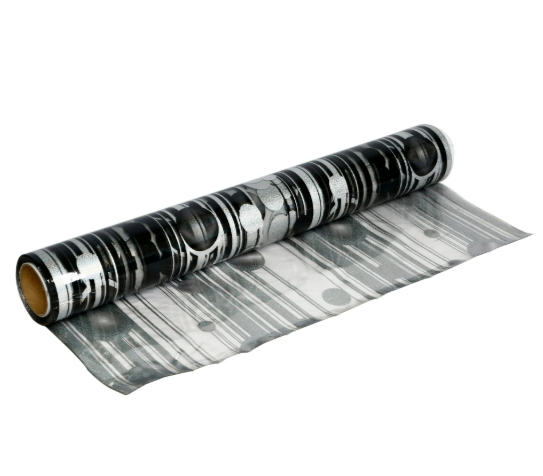
You define a flexible pvc sheet as a chemically modified thermoplastic resin. Pure resin forms a rigid polymer matrix. Manufacturers add specialized plasticizers to this matrix during production. The role of plasticizers centers on reducing intermolecular forces between polymer chains. This chemical process increases chain mobility significantly.
You adjust overall product flexibility and durability by changing formulation parameters. Standard industrial applications use plasticizer concentrations from 40 to 100 parts per hundred resin (phr). Resin types like homopolymers or copolymers further fine-tune performance. Flexible pvc accounts for roughly 40% of global pvc consumption today.
Plasticizers weaken the bonds between polymer chains, which turns stiff PVC into a soft and flexible material.
Makers adjust the amount of plasticizers to control how soft and strong PVC sheets are.
Internal plasticization keeps softeners trapped inside the material to stop chemical leaks and help products last much longer.
Companies use safe non-phthalate plasticizers to protect human health and follow global rules.
You understand flexible pvc sheet options by looking at how polymer molecules move within the plastic. Pure resin features stiff polymer chains. Strong polar forces from carbon-chlorine bonds hold these chain structures tightly together. The role of plasticizers works by weakening these physical bonds. You mix in custom compound formulations to change hard resin into soft sheet products.
The plasticization mechanism works through specific actions at the molecular level:
Plasticizer molecules slide right between polymer chains to push them farther apart.
Dipole interactions connect plasticizer ester groups to polymer chlorine atoms, forming steady pairs without chemical bonds.
The physical size of plasticizer molecules blocks polymer chains from packing tightly, freeing up chain movement.
This unique plasticization mechanism builds up free volume inside the resin matrix. The role of plasticizers focuses on dropping the glass transition temperature. You alter total material traits by shifting the overall plasticizer concentration. The plasticization mechanism directly changes mechanical performance.
Plasticizer Level (phr / wt%) | Behavior Regime | Tensile Strength Impact | Elongation at Break Impact |
|---|---|---|---|
Below ~15 phr (< 8.5 wt%) | Antiplasticization | Increases | Decreases |
Crossover Range (~15 to 35 phr) | Transition Zone | Begins shifting toward softening | Begins shifting toward higher flexibility |
High Loadings (e.g., 60 to 80 phr) | Normal Plasticization | Decreases significantly | Increases (higher chain mobility) |
Small amounts create antiplasticization, but larger amounts boost soft material flexibility. Tuning these exact chemical ratios lets suppliers like Qingdao Coseal build custom products for factory strip curtains and clear protective sheets.
You create pvc plasticization by using two different chemical processes. External pvc plasticization relies on physical blending during factory processing. These extra molecules never form lasting chemical bonds with the polymer matrix. Internal pvc plasticization bonds modified monomers straight to the main polymer backbone during chemical creation. This key difference strongly influences long-term material life.
PVC Material Type | Specific Formulation | Migration/Weight Loss Rate (%) | Solvent Extraction Loss (%) | Leaching Behavior |
|---|---|---|---|---|
External Plasticizer | Standard DOP (40 phr) | 15 ± 1.25% | High | Significant leaching |
External Plasticizer | Eugenol-based (40 wt% DPE/DDPE/DTDPE/DTPE) | 0.67% to 1.20% | 1.26% to 4.41% | Low migration (below 1.5% safety limit) |
Internal Plasticizer | 40 wt% / 80 wt% DPE-SNa | 0.00% | 0.00% | Non-leachable / Zero migration |
External plasticizers slowly move outward over time. Basic physical mixing lets liquid additives travel to the top surface throughout regular daily use. Liquid chemical exposure speeds up this loss process fast.
Internal plasticization locks the added chemical groups in place completely. Permanent covalent bonds stop tiny molecules from leaving the matrix structure. Zero migration prevents any fluid loss during liquid contact. You pick external plasticizers for cheap production runs, but you select internal plasticization when your design requires ultimate long-term stability and zero chemical loss.
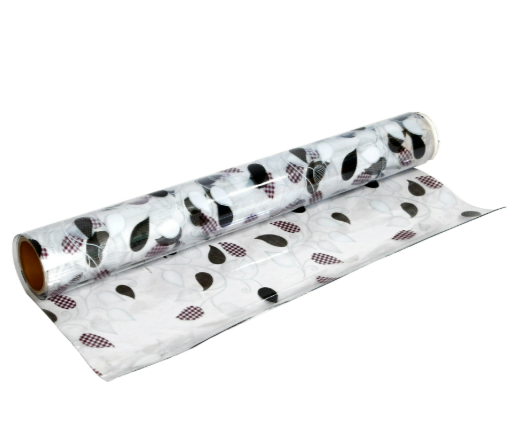
You pick different additive options to control flexible sheet behavior during factory processing. Traditional phthalates dominate everyday factory recipes. Production teams process phthalates easily because these additives lower liquid thickness fast during hot mixing. Still, design engineers check important safety rules when comparing phthalates and non-phthalates for sensitive items.
Non-phthalates replace old phthalates inside food wraps, kids' toys, and medical tubes. Adipates serve as popular non-phthalate plasticizers inside cold storage areas. Factories choose non-phthalate plasticizers to pass strict health rules worldwide. These unique additive groups provide great cold-weather bending. Adipate options stay bendable inside freezer curtains where regular phthalates freeze, harden, and break. Polymeric plasticizers use large, heavy chemical chains. Polymeric plasticizers resist getting washed out by harsh oils and factory chemicals. You gain long-lasting durability by picking polymeric plasticizers for tough chemical settings.
Epoxy plasticizers like epoxidized soybean oil offer strong heat protection during hot factory shaping. You review clear performance trade-offs when comparing phthalates and non-phthalates for commercial sheet designs. Phthalates cost less at first but slowly leak out over time. Plasticization quality depends on exact molecular shapes. Proper plasticization extends product lifespan across severe outdoor temperatures. Good plasticization preserves structural stability.
You pick base resin grades wisely before starting factory line operations. Pure pvc homopolymers feature matching vinyl chloride parts through the whole matrix. Homopolymer resin mixtures give stronger pull strength, better frame stability, and great chemical resistance. Copolymer resins blend vinyl acetate parts right into the main polymer chain. Copolymer resins lower needed melting heat and boost basic softness without extra liquid additives.
The K-value number of raw resin sets final physical strength and factory speed. The following table shows how homopolymer resin K-values change pvc plasticization actions:
K-Value Level | Processing Parameters | Mechanical & Physical Properties |
|---|---|---|
High K-Value | Requires higher melt temperatures and increased mechanical work to process. | Enhances physical and strength properties; improves plasticizer absorption. |
Low K-Value | Operates at lower processing temperatures and melts quickly/easily. | Exhibits poorer plasticizer absorption capability. |
High K-value resin boosts plasticization power inside top-grade flexible pvc sheet goods. You need stronger machine force to melt high K-value resins right. High K-value resins soak up liquid plasticizers faster during dry mixing steps. Low K-value resin melts fast at lower heat levels. However, low K-value resin limits liquid plasticizer intake before surface oil leaks out.
Proper pvc plasticization balances resin grade choices against additive compound types. Workers reach full pvc plasticization during shaping to stop physical shape flaws. Global makers like Qingdao Coseal produce flexible pvc mats, clear table covers, and industrial strip door curtains. You match right plasticizers and resin K-values to maximize sheet toughness for hard uses. Good plasticization creates steady, useful items for many factory jobs.
You select precise formulation ratios for project uses that need high flexibility. Major suppliers like Qingdao Coseal build strong flexible pvc goods, like clear door curtains, soft tablecloths, mats, and protective covers. These items directly solve tough problems across everyday commercial, industrial, and household projects. Adjusting liquid additive levels alters total sheet softness. Good recipe mixing stops oily liquids from leaking out over long storage times. Adding extra liquid softeners helps sheets bend easily in cold or moving workplaces.
Using lower additive amounts makes sheets stronger against everyday wear. Industrial strip curtains need extreme tear resistance to handle heavy forklift traffic. You pick ideal plasticizers so sheets maintain high strength under rough daily use. Careful factory mixing improves plasticized pvc items across busy processing plants. This exact chemical balance helps sheets stay soft without losing shape.
You master bendable pvc sheet properties by balancing additives, mix amounts, and resin types. These key ingredient choices set overall material softness, strength, and bending power. You should carefully check real-world weather and use factors when picking your materials. Chemical contact, extreme hot or cold temperatures, and shifting additive risks deeply change sheet performance over time.
Expert makers like Qingdao Coseal help you pair custom plastic recipes with strict safety rules like FDA or REACH. You reach greater eco-friendly results across many factory uses by doing careful material checks. Teaming up with knowledgeable producers guarantees reliable product quality and protects the future use of plasticizers in pvc.
Mixing softeners into stiff PVC weakens the magnetic-like pulls between its long molecular strands. Doing this allows the inner strands to slide freely while dropping the temperature where the plastic turns hard. This chemical shift changes hard raw plastic into bendable, soft sheets perfect for clear strip doors or protective covers.
You control total flexibility by changing the softener amount added to every hundred resin parts. Mixing in extra softeners opens up open room inside the plastic so it bends without cracking. Factory workers usually add 40 to 100 phr to hit the exact softness level needed for their products.
You can buy custom flexible PVC supplies right from the Qingdao Coseal factory. Their team manufactures see-through door strips, table covers, flat plates, and floor mats built for busy stores and large factories.