
English 


Views: 0 Author: Site Editor Publish Time: 2026-08-06 Origin: Site


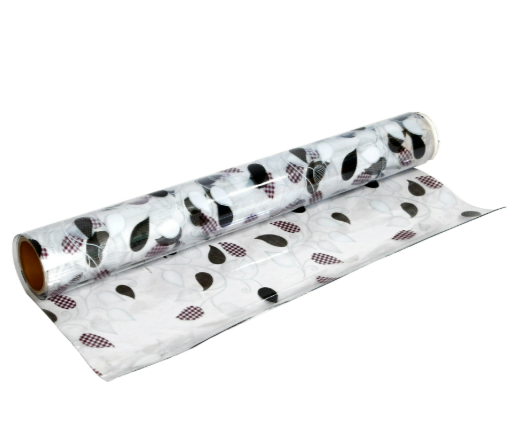
You need to pick the correct flexible pvc sheet thickness for your special project. Thin film choices from 1 to 2 mil give the most bend for light protective packaging. Strong 40 mil vinyl sheets give high tear protection for tough outdoor industrial barriers.
Use this easy guide to check plastic sheet thickness before purchasing material for industrial or business setups. Soft uses need thin vinyl that bends easily without breaking under weight. Strong building needs require thick pvc to handle heavy physical stress and tough weather conditions. This helpful guide makes choosing thickness simple by use to ensure the best long-lasting product strength for your daily work.
Very thin vinyl sheets that measure 1 to 2 mil offer excellent bending ability for lightweight product packaging.
Thick vinyl sheets up to 60 mil protect heavy warehouse doors from tears.
Special mixing ingredients called plasticizers manage how soft the material stays and stop it from breaking in freezing weather.
Outdoor plastic sheets need to be at least 6 mm thick to withstand strong winds and rough weather.
Regular safety rules like NFPA 701 require fire-blocking chemicals inside industrial vinyl curtains.
Plastic resin suppliers make flexible pvc sheet products by mixing raw resin powder with liquid plasticizer additives. Adding more plasticizers helps the final material bend easily without cracking or tearing. Using fewer plasticizers creates stiff plastic layers instead. You can pick soft vinyl formulations of any thickness for protective industrial covers or clear wrapping film. This durable product choice offers high flexibility without breaking under normal physical stress during daily factory work.
Chemical plasticizers push dense resin polymer chains apart inside the solid material. This internal spacing lets vinyl molecules slide past each other smoothly during constant bending. Professional suppliers like Qingdao Coseal change these liquid additives to control surface softness for every material thickness. You get exact flexibility control for light agricultural cover film or heavy industrial barrier sheets. Proper plasticizer mixes ensure long product life across different business uses.
Engineers use a simple guide to measure vinyl softness with standard Shore A hardness ratings. Lower numbers show softer material that snaps back quickly after repeated bending. Higher numbers mean firm products that keep their shape under heavy physical weight. A thin pvc sheet bends easily even at lower hardness ratings. You will see that a thick vinyl sheet keeps its exact shape under direct weight and heavy hits.
Overall sheet thickness connects directly with Shore A hardness during actual daily work. A thick pvc sheet needs a careful balance between strong physical support and surface softness. You could choose a firm 85 Shore A rating for heavy strip doors in tough industrial settings. You might prefer a softer 65 Shore A rating for clear vinyl protective mats in busy stores. Use this guide to match your project needs with the right gauge and hardness details.
You need exact numbers when ordering plastic sheets for your building. Catalogs usually list plastic sheet thickness options using several different common units. A single mil represents one thousandth of an inch, or 0.001 inches. Simple math shows that 1 mil equals 0.0254 millimeters in metric units. International suppliers also use gauge numbers to show vinyl film thickness. You can use this easy chart to compare real sheet sizes.
Knowing these specific measurement units helps you pick the right items easily. Suppliers like Qingdao Coseal offer quick charts to make unit conversions simple. Shipping rolls of clear pvc vinyl film usually show mil, inch, or millimeter values. Checking these numbers prevents costly buying mistakes when you plan projects. Tracking these measurements guarantees that all your materials stay the same thickness.
Various sheet thicknesses work best for specific jobs in normal work spaces. Very thin 1 or 2 mil vinyl wraps around objects easily for light protection. Medium 6 mil sheets shield big tools safely inside busy storage rooms. These lighter plastic choices protect items quickly without adding extra heavy weight. You can easily cut and shape thin vinyl using basic hand tools.
Thickness Range | Inches / Millimeters | Common Application Uses |
|---|---|---|
1 to 2 mil | 0.001" to 0.002" / 0.025 to 0.05mm | Light protective wrapping film |
6 mil | 0.006" / 0.15mm | Medium-duty equipment covers |
16 to 20 mil | 0.016" to 0.020" / 0.40 to 0.50mm | Clear window panels and curtains |
30 to 40 mil | 0.030" to 0.040" / 0.75 to 1.00mm | Heavy flexible pvc sheet barriers |
Thick vinyl sheets like 16, 20, 30, and 40 mil offer strong protection against tears. These tough clear vinyl sheets work great for clear windows and strip doors in warehouses. Thick plastic layers easily take hard hits from moving trucks without ripping. You should pick a 40 mil sheet for tough work spaces that need maximum strength. Use this quick guide to find the best pvc sheet thickness for your project.
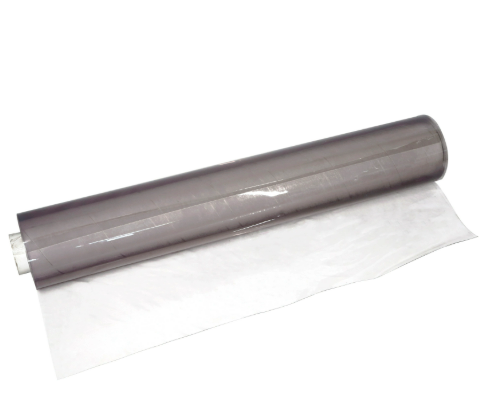
Selecting the correct thickness by application guidelines helps you pick ideal soft clear pvc vinyl choices. Flexible soft clear pvc vinyl easily wraps around different products. Thin film materials work best in protective packaging for daily storage. You can pick precise thickness or gauge options for quick packaging lines. Thin clear pvc vinyl film sheets shield goods without adding useless extra weight. Top supplier Qingdao Coseal makes clear pvc vinyl film, door curtains, tablecloths, plates, sheets, and mats. Their items fit every soft or firm commercial use. This handy guide makes inspecting light packaging film simple.
Special testing for puncture resistance reveals clear strength changes in soft vinyl. Using ASTM D 3763 standards, tests check puncture resistance on 7 mil to 10 mil films. Strength tops out at 8 mil with a score of 8.6 J/m³ or 1250 in-lb/cu in. This rating lowers to 7.6 J/m³ or 1100 in-lb/cu in. for 9 mil material. A 10 mil film drops even lower to 7.0 J/m³ or 1020 in-lb/cu in. Meanwhile, a 7 mil option hits 7.17 J/m³ or 1040 in-lb/cu in.

Tough firm clear pvc vinyl material resists hard hits inside busy plants. Heavy-duty strip doors and safety walls need a thick heavy gauge from 40 to 60 mil. Following this firm clear pvc vinyl recommendation guarantees long life under hard daily use. Picking firm clear pvc vinyl creates sturdy flexible pvc sheet walls for work spaces. Using proper plastic sheet thickness stops quick material damage.
Tough outdoor weather demands clear size choices to keep structures standing strong. Heavy wind and ocean weather require a minimum recommended thickness of 8 mm to 12 mm. Important building jobs need a thicker 15 mm to 20 mm layer.
Environmental Factor / Application | Potential Structural Risks | Minimum Recommended Thickness |
|---|---|---|
Temperature Fluctuations (Heat & Cold) | Softening, sagging, bowing in heat; brittleness, cracking, and warping in cold | Exceed 4 mm (boards under 4 mm warp easily) |
General Outdoor Exposure & Vibration | Movement, flexing, and long-term fatigue failure | 6 mm minimum |
High Wind Loads & Marine/Coastal Environments | Severe flexing, ongoing vibration, and eventual cracking | 8–12 mm (15–20 mm for critical structural uses) |
Exterior Cladding (UV, Wind & Temp Swings) | Deformation, degradation, and loss of long-term stability | 8–15 mm |
This thickness to application chart shows precise numbers for tough weather conditions. Hot air makes thin sheets bend, while cold weather causes quick cracking. Plastic panels under 4 mm warp fast in changing weather. Outside panels must stay thicker than 4 mm. Regular outdoor setups need a recommended thickness of 6 mm to stop shake damage. Wall coverings need 8 mm to 15 mm to block sun damage. Matching your plastic sheet thickness to your environment ensures strong bend support. Follow these thickness by application rules to get top material results. This clear manual helps you make smart thickness by application choices for tough jobs. Checking your setup details guarantees the right thickness by application setup for all clear pvc vinyl uses.
Select the ideal flexible pvc sheet thickness to handle daily physical strain. Light products are wrapped easily by thin vinyl. To prevent rips, heavy-duty projects require thick vinyl sheets instead. Following this thickness by application guide helps you pick durable materials for any task.
In addition to your thickness recommendation, you need to review environmental conditions. Temperatures over 140°F (60°C) cause faster material breakdown. Overall product life gets reduced by harsh weather and severe chemicals. For that reason, confirm specifications by reading official technical data sheets. Before placing large orders, ask suppliers like Qingdao Coseal for physical samples. This useful guide guarantees long-lasting pvc performance in every work space.
Mils, which equal thousandths of an inch, measure plastic sheet thickness for packaging. Goods get wrapped easily by thin clear pvc vinyl film under 2 mil. To protect items during daily use, Qingdao Coseal supplies precise options.
Busy warehouse doors require a heavy gauge from 40 mil to 60 mil. Tears from forklift impacts get prevented by this recommended thickness. For tough industrial uses, strong vinyl materials give high durability.
For strong outdoor winds, you should select a recommended thickness of 8 mm to 12 mm. Vinyl gets degraded quickly by extreme heat over 140°F. Choosing the right material thickness for changing climates gets simplified by following a detailed guide.