
English 


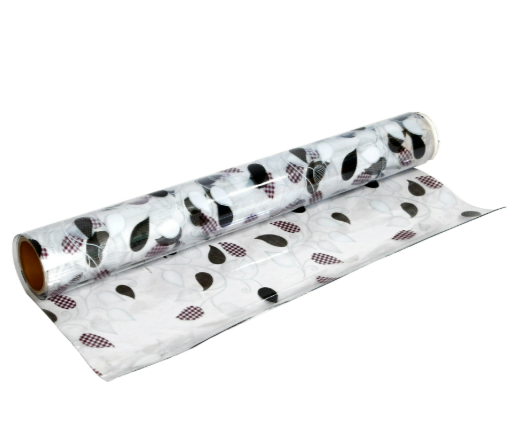
PVC, or polyvinyl chloride, is a synthetic plastic polymer made from vinyl chloride monomers. Its structure consists of repeating units of vinyl chloride, a compound containing carbon, hydrogen, and chlorine atoms. The presence of chlorine atoms gives PVC unique properties such as chemical resistance and flame retardance. PVC’s base form is rigid, but it can be modified by adding plasticizers to improve flexibility.
PVC sheets are widely used across industries due to their versatility. They appear in construction as wall panels, window frames, and flooring. In everyday life, you find them in waterproof garments, inflatable products, and protective covers. PVC sheets also serve in electrical insulation, packaging, and signage. Their adaptability stems from the ability to customize hardness, thickness, and color to suit specific needs.
PVC’s flexibility largely depends on its formulation. The base polymer is hard and brittle, but adding plasticizers softens it, making the sheets flexible. Plasticizers increase the distance between polymer chains, allowing them to move more easily. Thickness also affects flexibility; thinner sheets bend more readily than thick ones. PVC resists water, chemicals, and fire, making it durable under various conditions. It is also lightweight and easy to fabricate, which adds to its appeal.
Here is a quick overview of key properties influencing flexibility:
Plasticizer Content: More plasticizer means softer, more flexible sheets.
Thickness: Thinner sheets flex easier.
Hardness (phr): Measured in parts per hundred resin; higher phr means softer PVC.
Chemical Resistance: PVC withstands many chemicals without degrading.
Waterproof Nature: Prevents moisture absorption, maintaining flexibility.
Thermal Behavior: Softens around 60°C (140°F), limiting high-heat applications.
These properties allow manufacturers to customize PVC sheets for diverse applications, balancing flexibility and durability.
Tip: When selecting PVC sheets for flexible applications, prioritize plasticizer content and thickness to achieve the desired softness without compromising strength.
Plasticizers are key additives that make PVC sheets flexible. They work by inserting themselves between the rigid PVC polymer chains, reducing the forces holding the chains tightly together. This allows the chains to slide past one another more easily, resulting in a softer, more pliable material. The amount of plasticizer added is measured in parts per hundred resin (phr). A higher phr means more plasticizer, which translates to greater flexibility.
Without plasticizers, PVC remains hard and brittle, limiting its use in applications requiring bending or folding. By adjusting the plasticizer content, manufacturers can create PVC sheets ranging from rigid to highly flexible. For example, flexible PVC sheets typically contain between 26 to 55 phr of plasticizer, while semi-rigid sheets have 10 to 25 phr.
Thickness plays a significant role in how flexible a PVC sheet feels. Thinner sheets bend and fold much easier than thicker ones. This happens because less material resists the bending force in thin sheets, allowing them to flex without cracking or breaking.
For instance, a PVC sheet that is 0.1 mm thick will be noticeably more flexible than one that is 3 mm thick. However, thinner sheets may sacrifice some durability and strength, so choosing the right thickness depends on the application’s demands. Thicker sheets suit protective surfaces or structural panels, while thinner sheets work well for covers, curtains, or flexible packaging.
Hardness, often expressed in phr, directly correlates with the sheet’s flexibility. Higher phr means more plasticizer, resulting in a softer, more flexible product. Lower phr produces a harder, less flexible sheet.
For example, a PVC sheet with 55 phr plasticizer will be very soft and flexible, ideal for inflatable products or waterproof garments. Conversely, a sheet with 10 phr will be semi-rigid, better suited for protective panels or flooring.
Manufacturers can customize hardness to match specific needs. This customization ensures the PVC sheet performs well in its intended use, balancing flexibility, durability, and cost.
Flexible PVC sheets and semi-rigid PVC sheets differ mainly in plasticizer content and hardness. Flexible PVC sheets contain higher plasticizer levels, usually between 26 to 55 parts per hundred resin (phr), making them soft and highly pliable. They bend easily, ideal for applications like inflatable products, waterproof garments, and flexible covers.
Semi-rigid PVC sheets have less plasticizer, typically 10 to 25 phr, resulting in a firmer, less bendable material. These sheets are better suited for structural uses such as protective panels, flooring, and signage. They offer a balance between flexibility and strength, providing durability without the softness of flexible PVC.
Understanding the difference helps you pick the right sheet for your project. If you need a sheet that folds or stretches, flexible PVC is the choice. For applications requiring more rigidity but some flexibility, semi-rigid PVC fits better.
Flexible PVC sheets come in a wide range of colors, textures, and thicknesses, enabling customized solutions. Colors range from clear and transparent to vibrant opaque shades, allowing for both aesthetic and functional uses. Transparent sheets are common for window covers or protective layers, while colored sheets serve decorative or branding purposes.
Texture options include smooth, glossy, matte, and embossed surfaces. Embossed textures improve grip or hide scratches, making them popular for flooring or upholstery. Matte finishes reduce glare, useful for display panels or signage.
Thickness varies from ultra-thin films around 0.05 mm to thick sheets up to 3 mm or more. Thinner sheets offer maximum flexibility but less durability. Thicker sheets provide strength and impact resistance but bend less. Selecting thickness depends on the balance between flexibility and robustness needed.
Beyond standard flexible and semi-rigid types, specialty PVC films and sheets address unique demands. Some sheets include UV inhibitors for outdoor use, preventing yellowing and degradation under sunlight. Others have cold-crack additives to resist cracking in low temperatures, ideal for harsh climates.
There are also flame-retardant flexible PVC sheets used in safety-critical environments. Anti-static or conductive PVC films serve electronics and cleanroom applications. Some specialty sheets offer enhanced chemical resistance or transparency for medical or food-grade uses.
Manufacturers often provide custom formulations to meet specific industry standards or environmental conditions. This tailoring ensures the PVC sheet performs well over time, maintaining flexibility and durability.
Flexible PVC sheets begin to soften at around 60°C (140°F). This softening point is mainly due to the plasticizers added to make the PVC flexible. The more plasticizer present, the softer the sheet becomes, but this also lowers the temperature at which it starts to melt or deform. For applications where the material will face temperatures below 60°C, flexible PVC sheets work well. However, if exposure to higher heat is expected, other materials with higher softening points might be better choices.
Compared to other plastic films like polyethylene (PE), polypropylene (PP), or polyester (PET), flexible PVC sheets have a lower heat resistance. Many of these alternatives can withstand higher temperatures without softening. For example, polypropylene films often tolerate temperatures above 100°C, making them suitable for hotter environments. While flexible PVC excels in waterproofing and chemical resistance, it may not be the best option for high-heat applications.
Flexible PVC sheets perform well in various environments. They resist water and many chemicals, making them ideal for outdoor use and industrial settings. To enhance durability, manufacturers often add UV stabilizers to prevent degradation from sunlight. Some flexible PVC sheets also include cold-crack additives, which help the material stay flexible and crack-free in cold weather.
Despite their strength, flexible PVC sheets can degrade if exposed to harsh chemicals or extreme heat for prolonged periods. Proper selection based on environmental conditions ensures the sheet maintains its flexibility and longevity. Their waterproof nature and resistance to wear make them popular in waterproof garments, protective covers, and electrical insulation.
Tip: For applications involving heat exposure near or above 60°C, consider flexible PVC sheets with lower plasticizer content or alternative materials that offer higher heat resistance to ensure durability.
Flexible PVC sheets find extensive use in industrial and commercial sectors due to their adaptability and durability. They serve as protective covers for machinery, flexible curtains for warehouses, and linings for tanks and containers. In construction, flexible PVC sheets act as vapor barriers, roofing membranes, and wall coverings. Their waterproof nature and resistance to chemicals make them ideal for environments where moisture or corrosive substances are present.
In signage and advertising, flexible PVC sheets are popular for banners, displays, and promotional materials because they are easy to print on and can endure outdoor conditions. Electrical industries use flexible PVC sheets for insulation and protective coatings on cables and wires, ensuring safety and longevity.
You encounter flexible PVC sheets daily in many products. They are common in waterproof clothing, such as raincoats and boots, because they prevent water penetration while allowing some flexibility. Inflatable toys and pool accessories often use flexible PVC sheets due to their softness and durability.
Flexible PVC is also found in stationery items like folders, binders, and protective covers. Household items such as shower curtains, tablecloths, and upholstery fabrics often contain flexible PVC sheets. Their ability to be transparent or colored adds to their appeal for decorative and functional uses.
One of the most valuable traits of flexible PVC sheets is their waterproof quality. They repel water effectively, making them suitable for outdoor applications and products exposed to moisture. This waterproof nature also helps prevent mold and mildew growth, enhancing hygiene and longevity.
Additionally, flexible PVC sheets provide excellent electrical insulation. They protect wires and electronic components from moisture and mechanical damage, reducing the risk of short circuits and electrical hazards. Their lightweight and flexible form make installation and handling easier in insulation tasks.
Flexible PVC sheets also offer sound insulation benefits. When used in building materials or protective covers, they can reduce noise transmission, improving comfort in residential and commercial spaces.
Tip: For industrial or commercial projects requiring moisture resistance and durability, choose flexible PVC sheets with appropriate thickness and plasticizer levels to ensure optimal waterproofing and insulation performance.
PVC sheets offer great flexibility in customization, especially in hardness and thickness. Manufacturers adjust hardness by varying plasticizer content, measured in parts per hundred resin (phr). Flexible PVC typically ranges from 26 to 55 phr, making it soft and pliable. Semi-rigid types fall between 10 and 25 phr, offering firmer sheets.
Thickness also varies widely, from ultra-thin films around 0.05 mm to heavy-duty sheets over 3 mm. Thinner sheets bend easily but may lack strength. Thicker sheets provide durability but reduce flexibility. Choosing the right combination depends on the application’s needs. For example, a flexible raincoat might use a thin, soft sheet, while a protective panel requires thicker, firmer material.
This customization allows PVC sheets to fit diverse roles, from delicate covers to robust industrial linings.
Different markets require different PVC formulations to meet safety and regulatory standards. For instance, school supplies in Europe might need PVC sheets compliant with REACH regulations, ensuring low toxicity and safety for children. Some markets demand non-phthalate plasticizers due to health concerns.
Packaging intended for food contact must meet strict food-grade certifications, limiting certain additives. Meanwhile, industrial applications might prioritize chemical resistance or flame retardance.
Manufacturers tailor formulations to comply with these standards, ensuring PVC sheets perform safely and legally in their target markets.
PVC sheets can be modified to withstand various environmental challenges. UV stabilizers prevent yellowing and degradation when exposed to sunlight, ideal for outdoor uses like yacht covers or tents. Cold-crack additives enhance flexibility in freezing temperatures, preventing brittleness and cracks in harsh climates.
Other additives improve fire resistance or chemical stability, extending the sheet’s lifespan in demanding conditions. These environmental adaptations ensure PVC sheets remain functional and durable, no matter where they are used.
Tip: When ordering PVC sheets, clearly specify your market’s safety standards and environmental conditions to get a product tailored for optimal performance and compliance.
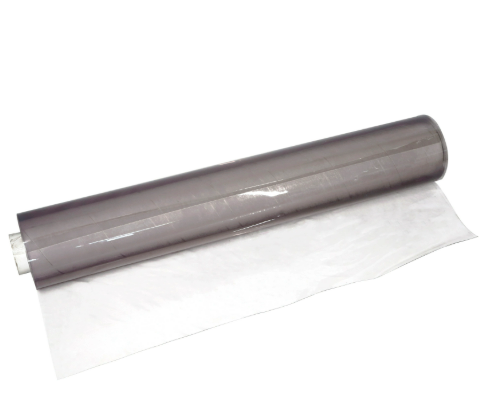
Flexible PVC sheets offer several key advantages that make them popular across many industries. They are lightweight, which helps reduce shipping costs and makes handling easier during installation or fabrication. Their waterproof nature prevents moisture penetration, making them ideal for outdoor products, waterproof garments, and protective covers. This waterproof quality also helps prevent mold and mildew, enhancing product longevity and hygiene.
Safety is another benefit. Unlike glass, PVC sheets won't shatter into sharp pieces, reducing injury risks. They also provide excellent electrical insulation, protecting users and equipment from electrical hazards. These sheets are easy to fabricate, cut, and weld, allowing for versatile applications and custom designs.
Despite their many benefits, flexible PVC sheets have some limitations. Their heat resistance is moderate; they begin to soften around 60°C (140°F). Exposure to higher temperatures can cause deformation or melting, limiting use in hot environments. For applications involving sustained heat, alternative materials with higher heat tolerance might be better suited.
Chemical exposure is another concern. While PVC resists many chemicals, prolonged contact with strong solvents, oils, or acids can degrade the material. This degradation may reduce flexibility and durability over time. Proper selection of PVC grade and additives can help mitigate these effects, but users should be cautious in harsh chemical environments.
PVC sheets are flexible mainly due to plasticizers and thickness adjustments. Choosing the right sheet depends on balancing softness and strength for your application. Advances in manufacturing improve flexibility while meeting environmental standards. Qingdao Coseal offers high-quality flexible PVC sheets designed for durability, customization, and diverse uses. Their products deliver excellent waterproofing, chemical resistance, and ease of fabrication, providing great value for industrial and commercial needs. Trust Qingdao Coseal for reliable, tailored PVC sheet solutions.
A: A PVC sheet is a plastic polymer sheet made from polyvinyl chloride. Its flexibility depends on plasticizer content and thickness; added plasticizers make the sheet soft and flexible.
A: Higher plasticizer content increases flexibility by softening the PVC sheet, allowing it to bend and fold easily.
A: Without sufficient plasticizers, PVC sheets remain hard and brittle, resulting in a rigid sheet.
A: Thinner PVC sheets tend to be more flexible, while thicker sheets offer more rigidity and strength.