
English 


Views: 0 Author: Site Editor Publish Time: 2026-06-18 Origin: Site


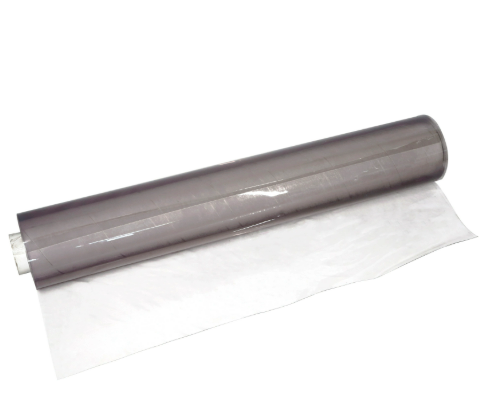
PVC sheets are widely used in construction, industrial protection, packaging, agriculture, and outdoor applications because of their durability and resistance to moisture. However, many buyers and project engineers still ask an important question: Is PVC sheet truly waterproof?
The short answer is yes. PVC (Polyvinyl Chloride) is naturally resistant to water and does not absorb moisture like wood, paper, or many other materials. This makes PVC sheets an excellent choice for environments exposed to rain, humidity, splashing water, or frequent cleaning. In this article, we will explore why PVC sheets are waterproof, how different PVC sheet types perform in wet environments, and which applications benefit most from their water-resistant properties.
Understanding the difference between waterproof and water-resistant helps clarify PVC sheets' performance. Waterproof means no water can penetrate the material, no matter the exposure time or conditions. Water-resistant means the material can resist water to some degree but might eventually allow moisture through if exposed long enough.
PVC sheets generally fall into the waterproof category when properly manufactured and installed. Unlike water-resistant materials, they do not absorb moisture or swell, making them ideal for wet environments.
PVC, or polyvinyl chloride, is inherently waterproof due to its chemical composition. Its molecular structure is dense and non-porous, preventing water molecules from passing through. This intrinsic quality means PVC sheets do not soak up water, unlike wood or MDF panels, which absorb moisture and degrade.
This waterproof nature also means PVC sheets resist mold and mildew growth, common problems in damp areas. They maintain their structural integrity even after long-term exposure to water or humidity, making them reliable for bathrooms, kitchens, and healthcare settings.
Material | Water Resistance | Common Issues When Wet | Maintenance Needs |
|---|---|---|---|
PVC Sheets | High (Waterproof) | None; no swelling or warping | Low; simple cleaning |
Wood Panels | Low | Swelling, warping, rotting | High; sealing, repairs |
MDF Boards | Low | Swelling, disintegration | High; waterproof coating |
Laminate | Medium | Edge swelling if sealing fails | Moderate; edge sealing |
Compared to traditional materials, PVC sheets offer superior waterproofing. Wood and MDF absorb water, causing damage and shortening lifespan. Laminates offer some water resistance but depend heavily on edge sealing, which can fail over time.
PVC sheets' waterproof and non-porous properties reduce maintenance costs and extend durability. Their smooth surfaces also make cleaning easier, improving hygiene in moisture-prone areas.
Tip: Ensure proper sealing and edge treatment during PVC sheet installation to maintain full waterproof performance and prevent water ingress at joints.

PVC sheets have a smooth, non-porous surface that prevents water absorption and stops moisture from seeping in. This surface blocks warping and mildew growth, common problems in damp environments. Because it doesn’t soak up water, PVC keeps its shape and strength even after repeated exposure to steam, splashes, or cleaning. This makes it perfect for wet areas like bathroom partitions, kitchen backsplashes, and ceiling panels.
PVC sheets are tough and resist impacts and abrasion well. Their compressive strength means they don’t chip or crack easily, even in high-traffic areas or places exposed to rough use. This durability helps them last longer, reducing repair and replacement costs. For example, in commercial kitchens or healthcare facilities, where surfaces face constant use, PVC maintains its integrity without visible damage.
PVC sheets handle temperature changes without cracking or deforming. They remain dimensionally stable in both hot and cold environments, which is crucial for outdoor installations or rooms with fluctuating temperatures. This thermal stability ensures that PVC panels won’t warp or shrink, preserving a neat, professional finish over time.
Many modern PVC sheets come with built-in antimicrobial and antifungal treatments. These properties help prevent bacteria, mold, and mildew growth on the surface, making PVC ideal for health-sensitive spaces like hospitals, schools, and kitchens. The non-porous nature also makes cleaning easier, requiring only simple wiping to maintain hygiene. This reduces the risk of contamination and supports better indoor air quality.
PVC sheets are a top choice for kitchens and bathrooms due to their waterproof nature. They resist moisture, steam, and splashes, making them ideal for backsplashes, wall panels, and cabinet surfaces. Unlike wood or MDF, PVC doesn't swell or warp when exposed to water, ensuring long-lasting performance. Their smooth, non-porous surfaces are easy to clean, helping maintain hygiene in these high-moisture areas. For example, kitchen countertops covered with PVC sheets can withstand frequent washing and spills without damage.
In healthcare settings, hygiene is crucial. PVC sheets fit perfectly here thanks to their antimicrobial properties and waterproof surface. They help prevent mold, mildew, and bacterial growth, reducing infection risks. Hospitals, clinics, and public restrooms often use PVC panels for walls, partitions, and ceilings. The material’s durability also stands up to constant cleaning with disinfectants, common in these environments. Plus, PVC’s resistance to impact and abrasion makes it suitable for high-traffic public spaces where surfaces face wear and tear.
PVC sheets can be used outdoors, but some factors must be considered. Untreated PVC may degrade under prolonged UV exposure, so UV-stabilized or laminated PVC sheets are recommended for outdoor use. These treated sheets resist fading and maintain waterproof qualities even in rain or humidity. Common outdoor uses include roofing sheets, wall cladding, and protective covers. However, extreme temperature fluctuations can cause flexible PVC to expand slightly, so proper installation and fixation are essential to prevent warping or deformation.
Tip: For outdoor water-prone areas, always select UV-stabilized PVC sheets and ensure professional installation with sealed edges to maximize waterproof performance and longevity.
PVC sheets come mainly in two types: rigid and flexible. Rigid PVC is dense and solid, offering excellent waterproof performance and structural stability. It’s commonly used for wall panels, cladding, and other fixed installations where durability matters. Flexible PVC contains plasticizers, making it softer and bendable. While still waterproof, flexible PVC may expand or contract more under temperature changes, which can affect long-term sealing if not handled properly. Choosing the right type depends on the application—rigid PVC suits stable, flat surfaces, while flexible PVC is ideal for curves or areas needing softness.
Thickness plays a key role in waterproofing. Thicker PVC sheets provide better resistance to water penetration and mechanical damage. For example, a 3mm rigid PVC sheet generally offers stronger protection than a 1mm film. Lamination or surface coatings add another layer of defense, enhancing durability and moisture resistance. Laminated PVC sheets can also improve UV stability and scratch resistance. When selecting PVC sheets, consider thickness and whether lamination is necessary for the environment, especially in high-moisture or outdoor settings.
Even the best PVC sheets can fail to perform if installed poorly. Proper sealing at edges and joints is critical to prevent water ingress. Overlapping seams, use of waterproof adhesives, and sealing tapes help maintain continuous waterproof barriers. Poorly sealed edges allow water to seep behind panels, leading to mold, swelling of adjacent materials, or structural damage. Fixation methods like screws or clips should avoid damaging the sheet or causing gaps. Professional installation ensures tight seals and correct alignment, preserving waterproof integrity.
Maintaining PVC sheets is straightforward but essential for lasting waterproof performance. Regular cleaning with mild detergents removes dirt and prevents buildup that can trap moisture. Avoid abrasive cleaners or solvents that might degrade the surface or coatings. Inspect sealed joints periodically for cracks or gaps and reseal as needed. For outdoor PVC, UV protection through coatings or shade reduces material aging and brittleness. Proper care extends the life of PVC sheets, keeping them waterproof and looking new for years.
Tip: Always prioritize professional installation with thorough edge sealing and use thicker, laminated rigid PVC sheets for maximum waterproof reliability in critical wet areas.
PVC sheets are prized for their low maintenance needs. Their smooth, non-porous surface prevents dirt, mold, and bacteria from settling, making cleaning quick and easy. A simple wipe with a damp cloth or mild detergent keeps them looking fresh and hygienic. This feature is especially valuable in kitchens, bathrooms, and healthcare settings where cleanliness is crucial. Unlike wood or other porous materials, PVC doesn’t require sealing, painting, or special treatments to maintain its waterproof properties over time.
One major advantage of PVC sheets is their resistance to pests such as termites and wood borers. Since PVC is a synthetic plastic, insects find it inhospitable, eliminating risks common to natural materials like wood. Additionally, PVC withstands environmental factors like moisture, humidity, and many chemicals without degrading. This durability means fewer repairs or replacements, saving money and effort in the long run. It also makes PVC suitable for use in damp or pest-prone areas where other materials would fail quickly.
Despite many benefits, PVC sheets have some limitations. Prolonged exposure to ultraviolet (UV) light can cause untreated PVC to become brittle, discolor, or crack over time. This is especially important for outdoor applications. However, many manufacturers offer UV-stabilized or laminated PVC sheets to combat this issue. Extreme temperatures can also affect PVC; flexible sheets may expand or contract, potentially compromising seals or causing warping. High heat exposure might soften the material, while very cold temperatures could make it less flexible. Therefore, choosing the right type of PVC and proper installation are essential for outdoor or harsh environment use.
The demand for waterproof PVC sheets is steadily rising, driven mainly by construction, interior design, and infrastructure projects. Globally, the market exceeds $5.5 billion annually and is expected to grow at about 5.2% CAGR through 2030. This growth is fueled by increasing urbanization and the need for durable, moisture-resistant materials in kitchens, bathrooms, healthcare facilities, and outdoor cladding.
Sustainability also shapes the market. Nearly half of manufacturers now offer phthalate-free or recycled-content PVC sheets. These meet strict environmental standards like REACH and RoHS, appealing to eco-conscious buyers. Asia-Pacific dominates production, holding about 78% market share, while North America leads in specialty sheets designed for extreme weather.
Technological advances focus on improving UV resistance (extending outdoor life by up to 40%), fire retardancy, and antimicrobial properties, making PVC sheets more versatile. Digital printing compatibility is another trend, allowing customized designs on waterproof PVC panels.
Choosing the right PVC sheet requires careful attention to several specifications:
Material Type: Rigid PVC offers better waterproof stability and structural strength. Flexible PVC suits curved or soft applications but may expand under heat.
Thickness: Thicker sheets (3mm or more) provide superior water resistance and durability.
Lamination and Coatings: Laminated or coated sheets enhance UV protection, scratch resistance, and moisture barrier.
Tensile Strength: Look for sheets with tensile strength above 15 MPa for structural uses.
Water Vapor Transmission Rate: Lower values (<0.10 perm) indicate better moisture resistance.
Temperature Range: Ensure the sheet can operate between -30°C and 80°C for your environment.
Compliance: Check for industry standards like ASTM D4434 for roofing, NSF/ANSI 61 for potable water contact, and ISO 9001 manufacturing certification.
Installation Compatibility: Confirm compatibility with adhesives and expansion coefficients for your project.
Warranty and Support: Prefer products with at least 15 years warranty and responsive technical support.
Here are some popular waterproof PVC sheets favored by professionals:
Product Name | Review Score | MOQ | Key Features | Price Range |
|---|---|---|---|---|
Low Price Transparent PVC Film | 5.0 | 500 kg | Glossy finish, high clarity | $1.40–1.55/kg |
Waterproof Anti-Corrosion Roofing Sheets | N/A | 25 tons | Brick red, corrugated, durable | $500–600/ton |
UV Marble PVC Sheets Panel | 4.9 | 300 sqm | 3mm thick, UV stabilized, elegant marble look | $4.50–5.80/sqm |
White Rigid PVC Wall Cladding | 5.0 | 100 kg | Matte/glossy options, customizable cutting | $1.50/kg |
PVC-Coated Pallet Sheets | 4.8 | 1000 sqm | Reinforced vinyl, reusable, weatherproof | $1.80–2.40/sqm |
High Glossy 3mm UV Marble Sheet | 4.8 | 2 sqm | Scratch-resistant, premium quality | $3–5/sqm |
To keep PVC sheets fully waterproof, sealing edges and joints correctly is crucial. Water often sneaks in through gaps or poorly sealed seams, causing damage behind panels. Use high-quality waterproof adhesives or sealants designed for PVC materials. Overlapping joints slightly and applying waterproof tape can create a continuous barrier. Pay special attention to corners, cut edges, and areas where sheets meet other materials. Proper joint treatment not only stops water ingress but also prevents mold growth and structural issues.
PVC sheets can warp or deform if not fixed properly during installation. Use appropriate fasteners like screws, clips, or rivets that hold panels securely without cracking or bending the material. Avoid overtightening, which can cause stress points and lead to warping. For flexible PVC, allow slight expansion room to accommodate temperature changes. Employing a stable and level substrate also helps maintain sheet flatness. Proper fixation ensures the panels stay firmly in place, preserving waterproof integrity and aesthetic appeal.
Maintaining waterproof PVC sheets requires regular cleaning to remove dirt, grime, and residues that trap moisture. Use mild detergents or warm water with a soft cloth or sponge. Avoid abrasive cleaners or solvents that might damage surface coatings or laminations. For outdoor PVC sheets, UV exposure can degrade material over time. Applying UV-protective coatings or choosing UV-stabilized products extends lifespan and helps retain color and strength. Periodically inspect sealed joints and reapply sealants if cracks or gaps appear. These simple maintenance steps keep PVC sheets waterproof and looking new.
Tip: Always hire experienced professionals for PVC sheet installation to ensure perfect sealing, secure fixation, and long-lasting waterproof performance.
Waterproof PVC sheets offer excellent resistance to moisture and durability, making them ideal for wet environments. Their non-porous surface prevents water damage and reduces maintenance needs. PVC sheets are preferred for long-term use due to their impact resistance, thermal stability, and antimicrobial properties. They also support sustainable design with recyclable options and versatile aesthetics. Qingdao Coseal provides high-quality waterproof PVC sheets that combine durability with design flexibility, delivering lasting value in modern construction and interior projects.
A: PVC sheets are inherently waterproof due to their dense, non-porous molecular structure, which prevents water penetration and absorption.
A: Unlike wood, PVC sheets do not swell, warp, or rot when exposed to moisture, making them more durable and maintenance-free in wet areas.
A: Proper sealing of edges and joints prevents water ingress behind PVC sheets, maintaining their waterproof integrity and preventing mold growth.
A: Yes, but UV-stabilized or laminated PVC sheets are recommended outdoors to resist fading and maintain waterproof performance under sunlight.
A: Regular cleaning with mild detergents and periodic inspection of seals help maintain the waterproof nature of PVC sheets over time.